
I’m not normally one to crow about my relatives. I’ve never been close to most of them, was actively disowned by some of them, and spend what feels like half my life attempting to avoid the drama that the others wreak. I call my parents regularly, but neither I or they have been actively involved in family life for years, and I spend more time with my in-laws than my own family. After posting about my grandad on twitter this week, though, I was filled by a swell of pride – a lot of people felt that his actions spoke to the world they wanted to live in, reminded them that the older generation aren’t homogenous, and inspired them to want to do good. I wanted to write about where I do have pride in my family, where I am glad to be one of them, and the individuals who have shaped who we are as a group and who I am as an individual.
On my mum’s side
My mum’s side of the family are from Yorkshire. They have their share of skeletons, but ultimately all of the ones I’ve met have always had a sense of humour and a strong sense of justice. My grandad was a sporty guy – he might have played cricket for the county if he hadn’t been born just over the border, and the main thing I remember about him is the dancing. He was always dancing – he liked to rhumba, chachacha and even to disco dance. He was generous and loved to feed people, always putting a spread on when anybody came over, no matter how much you protested you had just eaten or had only come to take him to lunch. The jolly man who chatted to everyone was naturally inclusive, and stood up for race rights and European collaboration well into his 80s. He always voted, and wouldn’t brook xenophobia, islamophobia or racism. He also bought me my first Barbie, an event which was perhaps more impactful on my life than anything anybody else ever did other than teaching me to read. He liked beautiful things, and towards the end of his life developed a collection of Swarovski figurines that he insisted on showing off whenever you went over. The actions of his that inspired others were standing up for his Pakistan-born friend in his care home against everyone, even his own wife, and voting against Brexit – he really did stand up for equality right to the end.
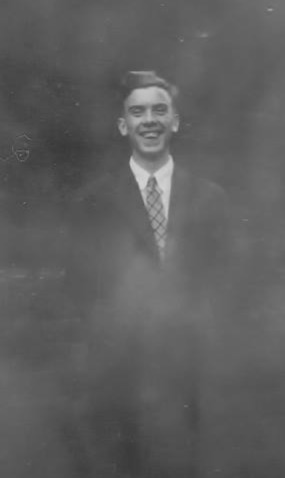
My grandad was the youngest of six, and although only he and his two sisters were alive in my lifetime, I have a great pride in of one of his brothers. One of my uncles was a contentious objector in WWII – a stance that I can’t even imagine the difficulty it took him to hold, and find it amazing that he came to this point of view as a working-class man before the information age. He must have been reading and listening to some fascinating stuff. When he relinquished this status, it wasn’t due to pressure, it was to help his PoW brother. This man went through hell – losing all his compatriots, liberating a concentration camp – and yet he still came home, and built a life. I am in awe of an ordinary man holding extraordinary views, and I hope I too can have the courage of my conviction, but also to let my personal circumstances and experience change how I might act.
I barely met my grandmother, but I am led to believe that she was an intelligent, hardworking woman. She didn’t let my grandad be the breadwinner, and she didn’t let him be the brains either; she had strong opinions on politics, and encouraged my mother to go against traditional gender roles. Despite struggling ill health her whole life she worked, not seeing it as an option to scrimp for her family. She died just after I was born, and my mother maintains that she hung on to see me.
My aunt, my mum’s sister, was probably the first person in my family to feel about education like I do. I don’t mean that the rest of my family don’t value education – they’re mostly teachers, after all – but she chose research, got a postgraduate education, and taught herself languages to read in. Despite all of this, she wasn’t pretentious, and chose to teach herself both Hebrew and Klingon – the precursor to my own studies of highbrow Romanticism and lowbrow romance. My aunt Dorothy pursued a career in the church when it wasn’t possible for women in the UK to be ordained, and as such she travelled half a world away to America, before skype or smartphones, in order to practise her faith. At her death I was surprised to read the heartfelt tributes from her congregants. Whilst religion does not mean the same thing to me, it clearly motivated her to do good and make a positive impact on the lives of others.
On my dad’s side
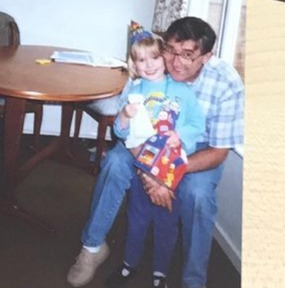
My grandad was very much a ‘handbags and gladrags’ figure for me. He worked hard, although he tried not to be on night shifts when I visited, and spoiled me rotten. He bought me china dolls, a swing set, my first ever video game – but most of all he indulged me by playing, joining in. He wore hideous garish waistcoats to have pretend tea parties (using a metal tea-set, because in the potteries nobody can countenance cheap china), cosied on the sofa to watch cartoons and princess movies he wasn’t remotely interested in, and bought boxed sets of classic books in Asda for me to read when I went through all the ones in the house. I can’t tell you how proud he would have been to know that I am getting a PhD in literature, that all those books paid off. He must have been so tired when he was doing all this, but his delight to be with me was so genuine that I never realised. He would eat food he hated without complaint to show me a healthy, balanced diet was enjoyable, and worked hard his whole life to improve the lot of his family.
Mary and Arthur were my grandad’s adoptive parents. My grandad was an illegitimate child, abandoned by his stepfather when his mother died, and it was Arthur who took him in, and who he always saw as his real father. Mary was also a hugely respected woman in my family. She was a publican – a hardworking, take-no-shit woman who never made my grandad feel like he wasn’t her son, even in the circumstances of him joining their family. I, too, hope I can give the kind of love that is responded to with respect, that I can love unconditionally and that they seek my opinion because they care about me genuinely.
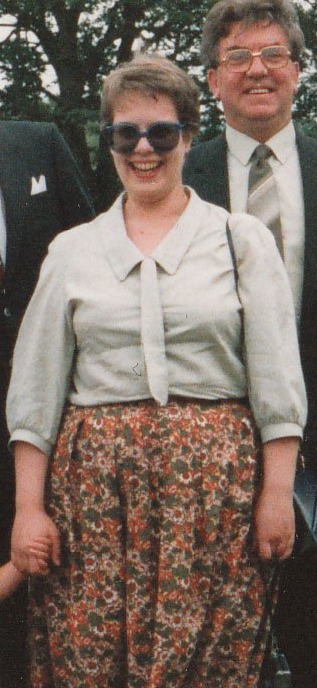
Joan is my great-aunt – not a blood relation, but what does that matter? Joan was a glamorous modern woman in the 60s – she worked, wore trousers, did her makeup dramatically. Joan is where culture entered my family: she loves to read and go to the theatre, and she taught my dad to love this too. She is learning to use a tablet so that she can watch ballet and theatre through the pandemic, and call my mum. She is in her late 80s and values her independence, the independence she was a pioneer of back when she was in her 20s. Even now, she and I exchange letters, and one of my first trips when I’m vaccinated will be to visit her.
***
My family have always all been ordinary people – none rich, nor famous, nor powerful, even in their communities – and yet their actions speak to the good that can be done by ordinary people. The respect I feel for them is earned, not filial. I don’t feel defined by my ancestors, but when I think of them as individuals I think that they have qualities that should be respected, that I myself want to embody. I want to have the influence on the world that these people had on me, and to demonstrate the values I have learned from within my little clan.
Make a one-time donation
Make a monthly donation
Make a yearly donation
Choose an amount
Or enter a custom amount
Your contribution is appreciated.
Your contribution is appreciated.
Your contribution is appreciated.
DonateDonate monthlyDonate yearly Late Romantic
Leave a comment